 Skip to the content
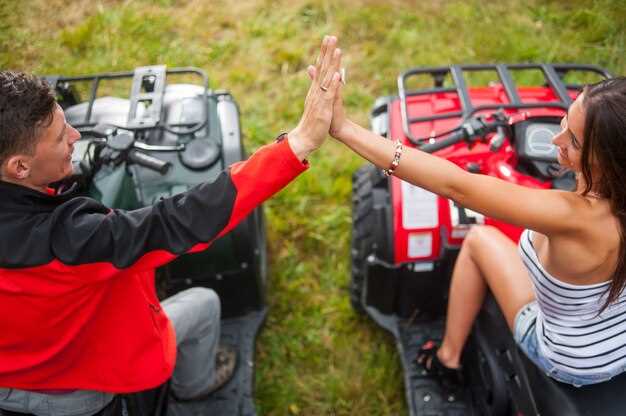
Riding an All-Terrain Vehicle (ATV) can be a thrilling experience, but it also comes with its share of responsibilities. As a new ATV rider, understanding and adhering to safety guidelines is essential for ensuring both your safety and the safety of those around you. This article provides valuable tips to help you navigate the exciting world of ATV riding while minimizing risks.
Before hitting the trails, it’s crucial to familiarize yourself with basic ATV operations and safety measures. Knowing how to properly handle your vehicle will not only enhance your riding experience but also help prevent accidents. Always wear appropriate protective gear, including a helmet, gloves, and sturdy footwear, as these items are vital for your safety.
Moreover, understanding the terrain and weather conditions is key when planning your rides. Different environments pose various challenges, and being aware of your surroundings can help you make informed decisions. This article will outline essential riding tips to ensure that your adventures on the ATV remain thrilling, safe, and enjoyable.
Choosing the Right ATV for Your Experience Level
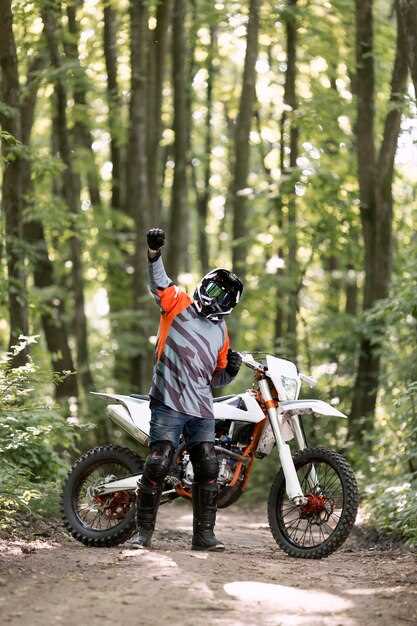
Selecting the appropriate ATV is crucial for ensuring a safe and enjoyable riding experience, especially for new riders. Your choice should align with your skill set, familiarity with ATV operations, and intended use.
Beginner Riders: If you are new to riding, opt for an entry-level ATV that features a user-friendly design and manageable power. Look for models with a smaller engine size, typically between 250cc to 400cc. These ATVs are generally lighter, making them easier to maneuver and control, enhancing overall safety during your initial rides.
Intermediate Riders: As you gain confidence and experience, consider an ATV with a higher engine capacity and additional features. Models in the range of 400cc to 700cc often offer better suspension and handling, allowing you to tackle more challenging terrains. However, safety remains paramount; ensure that you choose an ATV that still feels comfortable to control.
Advanced Riders: For seasoned riders, selecting a high-performance ATV can enhance your riding experience. ATVs over 700cc provide more power and advanced features, suitable for tougher terrains and faster speeds. However, with greater power comes increased responsibility. Ensure that you wear appropriate safety gear and are aware of your limits while riding.
In addition to engine size, consider factors such as the type of terrain you plan to ride on and whether you will be using your ATV for recreational purposes, racing, or utility tasks. Take the time to test ride different models whenever possible, as it can greatly influence your comfort and confidence levels.
Your safety is paramount, so always prioritize choosing an ATV that matches your riding experience. Making an informed decision will not only enhance your enjoyment but also promote responsible and safe riding practices.
Protective Gear Every Rider Should Wear
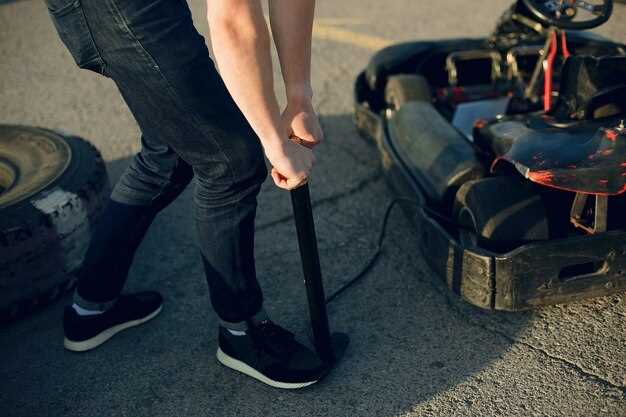
When it comes to ATV riding, safety should always be a top priority. As a new rider, investing in the right protective gear is essential to minimize the risk of injury. Here are some important tips for gear selection that every ATV rider should consider.
First and foremost, a quality helmet is a must. A DOT-approved full-face helmet provides maximum protection for the head and face, shielding against impacts and debris. Ensure the helmet fits snugly and comfortably for optimal safety while riding.
Next, eye protection is crucial. Goggles or a visor can shield your eyes from dust, dirt, and branches that you may encounter on the trail, enhancing visibility and focus during your ride. Look for options that offer anti-fog features for clear vision in varying weather conditions.
Body armor is another essential item for ATV riders. A riding jacket with built-in armor on the shoulders, elbows, and back can absorb impact and protect against abrasions. Consider materials that are both durable and breathable to maintain comfort while riding.
Protective gloves should not be overlooked, as they offer grip and dexterity while handling the ATV controls. Look for gloves made of reinforced materials to guard against cuts and abrasions in case of a fall.
Don’t forget about lower body protection. Wearing long pants made of tough fabric can help prevent scrapes and bruises. In addition, riding boots with ankle support and good traction are vital for control and protection, especially in off-road conditions.
Lastly, consider knee and elbow pads for extra cushioning. These pads can significantly reduce the risk of injury during accidents or falls, making them a wise investment for new riders.
In summary, wearing the proper protective gear is a fundamental aspect of safe ATV riding. Prioritize quality items, and make sure they fit well to ensure maximum protection on your adventures. With the right gear, you can enjoy the thrill of riding while minimizing risks on the trail.
Key Riding Techniques for Safe Navigation
When it comes to riding an ATV, mastering key techniques is essential for ensuring safety during your adventures. Here are some important tips to consider while navigating your vehicle.
First, always maintain a proper body position. Keep your elbows slightly bent and your knees gripping the vehicle to enhance balance and control. Shift your weight appropriately when making turns or climbing hills to prevent losing traction.
Next, practice smooth throttle and brake control. Avoid sudden acceleration or hard braking, as this can lead to loss of control. Gradually increase speed when taking off and slow down smoothly when approaching obstacles or turns.
Learning to read and adapt to terrain is crucial. Be cautious of obstacles such as rocks, mud, and uneven ground. Adjust your riding style based on the surface conditions, and always anticipate potential hazards.
Make use of your vision by looking ahead. Focus on the path you wish to take rather than directly in front of you. This allows for better reaction time and awareness of upcoming dangers.
Lastly, keep a safe distance from other riders. Maintaining a buffer zone between you and others reduces the risk of collisions and gives you ample time to react to any sudden changes in your environment.