 Skip to the content
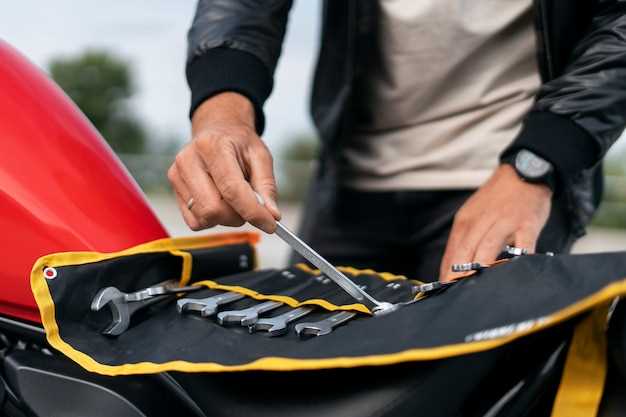
When it comes to keeping your ATV in optimal condition, timely repair of electrical issues is crucial. ATV electrical problems can arise unexpectedly and may hinder your vehicle’s performance, making it essential for owners to effectively diagnose these problems as quickly as possible. Understanding the intricacies of your ATV’s electrical system can save you both time and money in the long run.
Electrical issues in an ATV can manifest in various forms, from malfunctioning lights to starting troubles. Recognizing the symptoms early can help prevent more severe damage. By employing systematic troubleshooting techniques, you can identify the root causes of these electrical failures. This article aims to equip ATV owners with the knowledge and tools necessary for swift diagnosis and resolution of electrical issues.
In the world of ATV maintenance, being proactive is key. Not only will this ensure that your ride is always ready for your next adventure, but it will also enhance your overall experience on the trails. With the right approach and practical steps, diagnosing electrical issues in your ATV can become a quick and straightforward process.
Identifying Common Electrical Problems in ATVs
When troubleshooting electrical issues in ATVs, identifying the root cause is essential for efficient repair. Common electrical problems can often be traced back to a few key areas, primarily involving wiring, connections, and component integrity.
One frequent issue is a dead battery, which can stem from simple user error, such as leaving lights on, or a malfunctioning charging system. Always check the battery’s voltage with a multimeter before proceeding. If the battery is functional, inspect the wiring to ensure there are no loose connections or corroded terminals.
Another common problem is faulty switches or relays. If certain electrical components, like headlights or ignition, fail to operate, test the related switches and relays. A worn-out switch can disrupt the flow of electricity, leading to intermittent functionality.
Additionally, damaged or frayed wiring can create short circuits, resulting in unexpected electrical failures. Inspect all wiring harnesses for visible signs of wear, such as abrasion or exposure to moisture. In such cases, carefully replace any compromised sections to restore proper electrical flow.
Ground connection issues are also prevalent. A poor ground can lead to various electrical glitches, from flickering lights to erratic gauge readings. Ensure all ground points are clean and secure, as a solid connection is crucial for proper operation.
Finally, keep an eye out for blown fuses, which can indicate a surge in electrical current or a short in the wiring. Always replace blown fuses with the correct amperage to prevent further electrical complications.
By systematically checking these common areas, you can quickly diagnose and address electrical problems in your ATV, leading to efficient and effective repair.
Step-by-Step Methods for Testing ATV Wiring

Testing the wiring of your ATV is crucial for identifying electrical issues and ensuring optimal performance. Begin by gathering the necessary tools: a multimeter, wire strippers, and electrical tape. Ensure safety by wearing gloves and disconnecting the battery before starting any electrical work.
Start with a visual inspection of the wiring. Look for any obvious signs of wear, fraying, or damage. Check all connectors for corrosion or loose connections, as these can lead to electrical failures. Pay special attention to high-movement areas where wires may rub against the frame or other components.
Next, use a multimeter to test for continuity in the wiring. Set the multimeter to the continuity setting and place the probes on either end of the wire. If the meter beeps or shows a low resistance value, the wiring is intact. If there is no sound or a high resistance reading, the wire may be damaged and needs repair or replacement.
Check for voltage at various points in the circuit. With the battery connected, set the multimeter to the DC voltage setting and measure across critical connections, such as switches and relays. Confirm that you are getting the expected voltage readings. A significant drop in voltage indicates potential wiring issues between components.
If you suspect a faulty component, isolate it from the circuit and test it independently. Use the multimeter to measure resistance across switches or fuses. A faulty component will typically show infinite resistance or no continuity when tested.
After identifying any faulty wiring or components, repair the issues by stripping the damaged areas and reconnecting using proper wire connectors. Always insulate repaired sections with electrical tape to prevent future exposure and wear.
Finally, conduct a thorough test of the repaired wiring. Reconnect the battery and run the ATV to ensure all electrical systems are functioning correctly. Regular maintenance and testing of wiring can prevent larger electrical problems in the future.
Tools Needed for Quick Electrical Repairs in ATVs
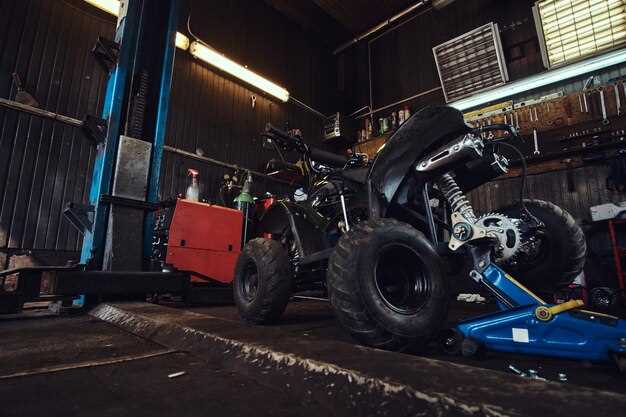
When it comes to diagnosing and repairing electrical issues in ATVs, having the right tools on hand is essential. A basic toolkit should include a multimeter, as it allows you to measure voltage, current, and resistance, helping identify faulty components in the wiring system. This tool is crucial for ensuring that electrical circuits are functioning properly.
Cable strippers are also important for making clean cuts and connections when dealing with wiring damage. A good set of strippers allows you to remove insulation without damaging the conductor, which is vital for effective electrical contacts during repairs.
Further, a soldering iron is necessary for joining wires securely, especially when making permanent repairs. Using solder ensures a strong electrical connection that can withstand vibrations and movement during operation. Coupling this with quality solder and flux will enhance the longevity and reliability of your repairs.
A set of wire connectors is equally important for quickly joining or disconnecting wiring. These connectors come in various types–including crimp, butt, and ring–allowing for flexible approaches based on the needs of the repair.
Additionally, an insulated screwdriver set is critical for tackling any electrical components safely. Insulated tools help prevent accidental short circuits while you work on sensitive electronics in the ATV.
Lastly, having a reliable flashlight can significantly enhance your ability to see and address electrical issues in low-light conditions or tight spaces, making the repair process quicker and more efficient.