 Skip to the content
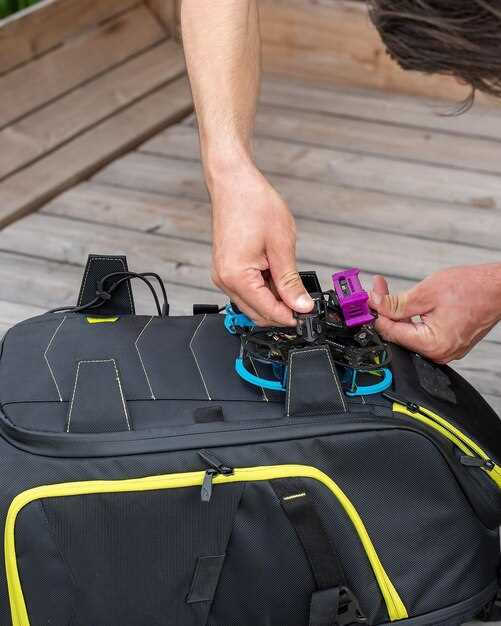
When you’re out on your ATV, the last thing you want to worry about is whether your gear will withstand the elements. Weatherproof bags and panniers are essential for keeping your equipment dry and secure, allowing you to focus on the ride instead of the weather. This guide will help you understand how to install these crucial accessories properly, ensuring that your outdoor adventures are enjoyable and hassle-free.
Choosing the right weatherproof bags can make a significant difference in protecting your belongings from rain, mud, and dust. Panniers offer added convenience, especially for longer trips, enabling you to carry more gear without compromising stability. By following the correct installation procedures, you can ensure that these bags remain securely attached to your ATV, regardless of the terrain you encounter.
In this guide, we will explore the various types of weatherproof bags and panniers available on the market, along with detailed instructions for installation. You’ll learn about the necessary tools, techniques, and tips to ensure that your gear stays safe and dry, making your off-road excursions more enjoyable. Get ready to enhance your ATV experience with robust and reliable storage solutions!
Choosing the Right Weatherproof Bags for Your ATV
Selecting the appropriate weatherproof bags for your ATV is essential for ensuring your gear remains protected in all-weather conditions. When navigating challenging terrains, having reliable storage can make a significant difference in your outdoor experience.
Firstly, consider the capacity of the bags. Depending on your travel needs, you may require smaller bags for day trips or larger ones for extended adventures. Look for options that offer expandable features, allowing for increased storage when necessary.
Next, assess the material of the bags. High-quality weatherproof bags are typically made from durable, waterproof fabrics such as nylon or polyester. These materials not only shield your gear from rain and moisture but also resist wear and tear from rough environments.
Sealing mechanisms are another critical aspect to explore. Roll-top closures or zippered compartments with waterproof zippers can provide added protection against the elements. Ensure that any openings are secure to prevent water intrusion during heavy rainfall.
Additionally, consider the mounting system of the bags. Opt for models designed specifically for ATVs, as they will securely attach to your vehicle without hindering your safety or performance. Look for adjustable straps or quick-release buckles that can withstand vibrations and rough rides.
Finally, check for visibility features. Bright colors and reflective strips can enhance your visibility during low-light conditions, making your ride safer. This is especially important when traversing off-road trails or during early morning or late evening excursions.
By carefully considering these factors, you can choose the right all-weather bags for your ATV, ensuring your gear remains dry and protected during all your adventures.
Step-by-Step Installation of Panniers on an ATV
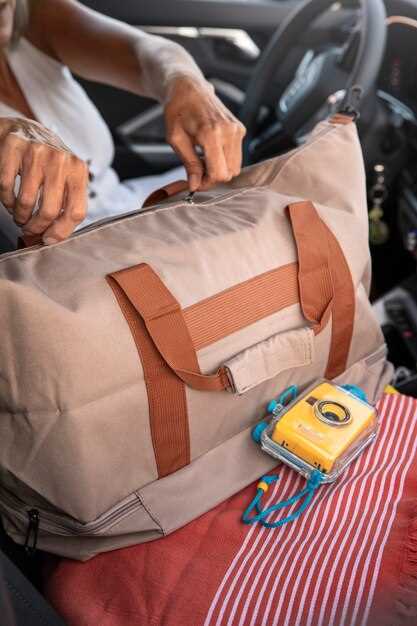
Installing panniers on an ATV is essential for maximizing storage and ensuring your gear remains secure and protected. Follow these steps for a successful installation.
Step 1: Gather Your Materials
Before starting, collect all necessary materials: the panniers, mounting brackets, bolts, and tools such as a wrench and screwdriver. Ensure your bags are weatherproof and suitable for all-weather conditions.
Step 2: Choose the Right Location
Identify optimal mounting points on your ATV. Most ATVs have designated spots for pannier installation. Ensure these areas are clean and free of debris to facilitate a secure fit.
Step 3: Attach Mounting Brackets
Using the provided bolts, attach the mounting brackets to your ATV’s frame. Ensure they are aligned correctly and use a wrench to tighten them firmly. This step is crucial for stability when loading the panniers.
Step 4: Prepare the Panniers
Check the panniers for any compartments or features that need to be adjusted before installation. If your bags come with waterproof liners or straps, ensure these components are properly configured for all-weather use.
Step 5: Secure the Panniers
Position the panniers onto the mounted brackets. Most designs allow for easy sliding into place. Secure the panniers using the locking mechanisms or buckles included with your bags. This will prevent them from shifting during rides.
Step 6: Test Stability
Once everything is attached, gently shake the panniers to check for stability. Make any necessary adjustments to ensure a snug fit, which is important for both safety and functionality of your gear.
Step 7: Final Inspection
Conduct a thorough inspection of the installation. Check that all bolts are tightened and that the panniers are securely attached. Ensure that zippers and seals on the bags are operational to keep your gear dry in all-weather scenarios.
Following these steps will provide a solid installation of panniers on your ATV, enhancing your ability to transport gear without compromising on safety or accessibility.
Maintaining All-Weather Gear for Longevity and Performance
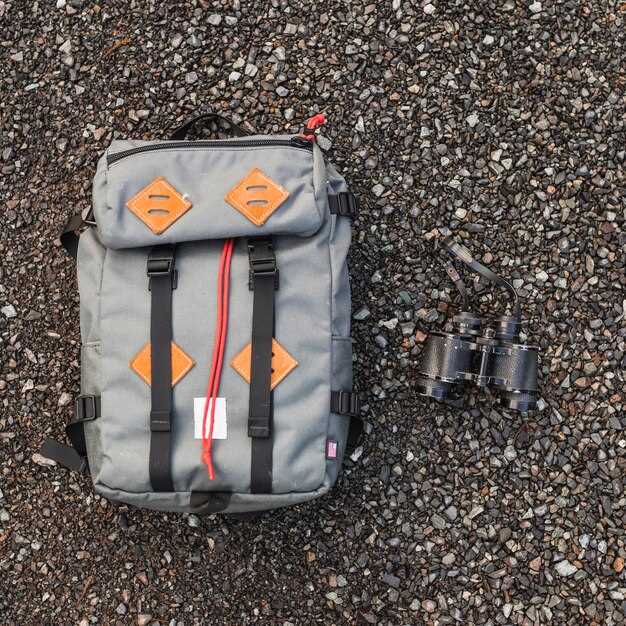
Proper maintenance of all-weather gear is crucial for ensuring its longevity and peak performance, especially for those who frequently use ATVs in diverse conditions. All-weather gear, such as bags and panniers, is designed to withstand various environmental challenges. However, without regular care, even the most robust equipment can degrade over time.
Start by regularly inspecting your gear for signs of wear or damage. Look for tears, scratches, or any other imperfections that could compromise waterproofing or structural integrity. Addressing minor issues early can prevent more significant problems later on.
Cleansing all-weather gear is essential to maintain its functionality. After each use, especially after muddy or wet trails, rinse off dirt and debris with lukewarm water. Avoid harsh detergents that can break down materials; instead, use a mild soap solution. Thoroughly dry the equipment to prevent mold and mildew growth, making sure to air dry all compartments and zippers.
Reapplying water-repellent treatments is another vital maintenance step. Over time, the protective coatings that keep your gear waterproof may wear off. Depending on the material, use a spray-on or wash-in treatment after cleaning to restore its effectiveness. Following the manufacturer’s guidelines is essential for optimal results.
Storage also plays a significant role in preserving your all-weather gear. When not in use, store bags and panniers in a cool, dry place away from direct sunlight. Prolonged exposure to UV rays can deteriorate materials, while moisture can promote rot and mildew. Consider hanging or loosely folding gear rather than compressing it, which can lead to creasing and other deformities.
Lastly, familiarize yourself with the specific requirements and recommendations for each item of your gear. Different materials and construction techniques may have unique care instructions. Following these guidelines will help ensure that your all-weather gear remains durable and effective during all your ATV adventures.