 Skip to the content
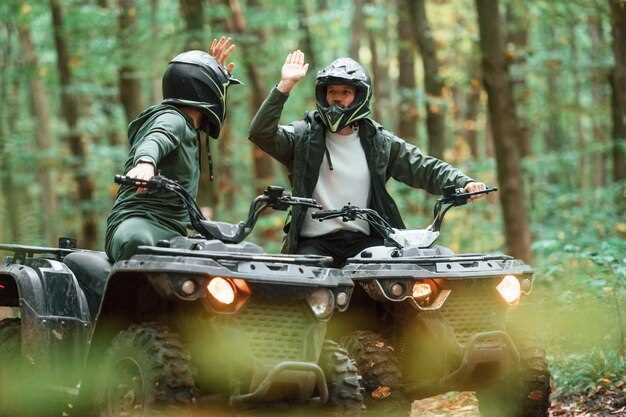
When it comes to exhilarating off-road adventures, safety should never be compromised. Riders of All-Terrain Vehicles (ATVs) face various risks, making it essential to invest in quality protective gear. Among the most critical components of such gear are the helmet and protective body armor, which serve as the first line of defense against injuries.
A well-fitted helmet is paramount for any ATV rider. It protects one of the most vulnerable parts of the body, the head, from potential impacts and collisions. Modern helmets are designed with advanced materials that not only absorb shock but also provide excellent ventilation and comfort. In many regions, wearing a helmet is not just a recommendation; it is a legal requirement, emphasizing its importance on the trail.
In addition to helmets, protecting the body is equally crucial. Quality body armor, including chest protectors, knee guards, and padded suits, can significantly reduce the risk of bruises, fractures, and more severe injuries during a ride. These items are engineered to be lightweight and durable, ensuring that riders can maintain mobility and comfort without sacrificing safety. By equipping oneself with the right protective gear, ATV enthusiasts can focus on the thrill of the ride while minimizing the dangers associated with this adventurous sport.
Choosing the Right Body Armor for Maximum Safety

When it comes to ATV riding, ensuring your safety is paramount. One essential aspect of your protective gear is selecting the appropriate body armor. Proper armor can significantly reduce the risk of injury in case of an accident. Here are key factors to consider:
Material Quality: The effectiveness of body armor largely depends on its material. Look for armor made from high-impact resistant materials like Kevlar or reinforced plastics. These materials can absorb shock and provide additional support in critical areas.
Coverage Area: A well-designed armor should cover vital regions such as the chest, back, shoulders, and elbows. Some options even include integrated protection for the spine and sides. Ensure your armor offers comprehensive coverage without restricting mobility.
Fit and Comfort: Armor that does not fit properly can be just as dangerous as not wearing any at all. Choose body armor that fits snugly but allows for a full range of motion. Adjustable straps and breathable fabrics can enhance comfort during long rides.
Weight Considerations: Consider the weight of the armor. While you want maximum protection, overly heavy gear can lead to fatigue and discomfort. Seek a balance between lightweight design and robust protection to ensure that you can ride effectively.
Certifications and Standards: Always check for certifications that verify the effectiveness of the body armor. Look for products that meet specific safety standards, as this can provide reassurance that the gear will perform as intended in hazardous situations.
Selecting the right body armor is critical for ATV riders seeking to maximize safety. Assess each of these factors carefully to ensure that you make an informed choice tailored to your riding style and preferences.
Understanding Helmet Features for Optimal Protection
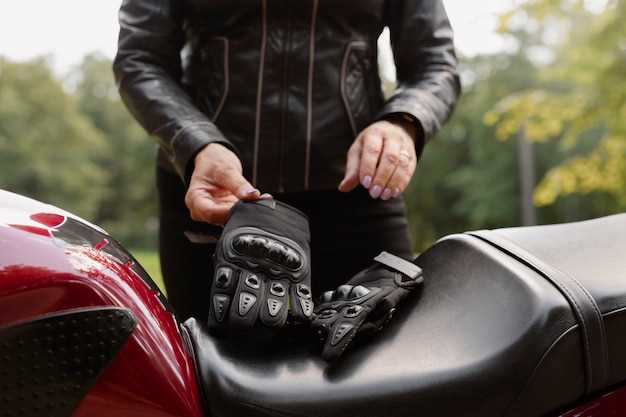
When choosing an ATV helmet, it is crucial to consider various features that enhance safety and comfort during rides. A well-constructed helmet serves as the primary line of defense for the rider’s head and crucially protects the body from serious injuries.
Construction Material is one of the most important aspects of helmet design. High-quality composite materials such as polycarbonate or carbon fiber provide excellent durability and impact resistance. These materials can effectively absorb shock during accidents, reducing the risk of skull fractures or brain injuries.
Another critical feature is the fit and sizing of the helmet. A proper fit ensures that the helmet remains securely in place during rides, preventing it from shifting or coming off in the event of an accident. Riders should always measure their head circumference and consult size charts to select a helmet that fits snugly but comfortably.
The ventilation system also plays a vital role in rider comfort. Helmets equipped with multiple vents allow airflow, helping to regulate temperature and reduce sweat buildup. This feature is particularly beneficial for long rides, ensuring that the rider remains cool and focused on the trail.
Visor design is another essential feature to consider. A good visor not only shields the rider’s eyes from sunlight and debris but also minimizes glare, improving visibility in various riding conditions. Additionally, a clear, shatter-resistant visor enhances overall safety during off-road adventures.
Lastly, an inner lining made from moisture-wicking materials provides comfort and helps manage sweat, while removable and washable liners contribute to hygiene and extended helmet life. Riders should prioritize these features to ensure their helmet offers optimal protection and comfort.
In conclusion, understanding the intricate features of ATV helmets can greatly influence safety and performance on the trails. By focusing on aspects like material, fit, ventilation, visor design, and inner lining, riders can select a helmet that not only protects but also enhances their overall riding experience.
Maintenance Tips to Ensure Longevity of Protective Gear
Regular cleaning is essential for maintaining the integrity of your helmet and armor. Use mild soap and water to wipe down surfaces, avoiding harsh chemicals that may degrade materials. After each ride, especially in muddy or dusty conditions, take time to clean your gear thoroughly.
Inspect your helmet for any signs of wear, such as cracks or dents. Helmets are designed to absorb impact, and even minor damage can compromise their effectiveness. Replace your helmet every 3 to 5 years, or sooner if it has been involved in a crash.
Your armor should be checked regularly for fraying straps, loose stitching, or any other damage. Make repairs immediately to ensure safety while riding. Additionally, check the fit of your armor, as it may loosen over time, reducing its protective qualities.
Store your gear in a cool, dry place to prevent moisture buildup and material degradation. Avoid leaving your helmet or armor in direct sunlight for extended periods, as UV exposure can weaken materials over time.
When it comes to padding and liners, many helmets and armor pieces come with removable inserts. Wash these inserts according to the manufacturer’s instructions to keep them fresh and free from odors. Always allow them to dry completely before reinserting them into the shell.
Finally, consider investing in a gear bag for transport. A dedicated bag can protect your helmet and armor from scratches and impacts when not in use, prolonging their lifespan. Proper maintenance and storage will ensure that your protective gear remains reliable for years to come.