 Skip to the content
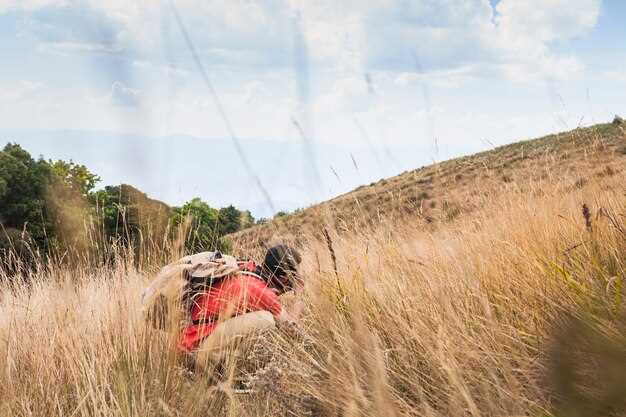
Climbing steep hills on an ATV presents a unique set of challenges that require both skill and strategy. To conquer these intimidating ascents, riders must employ effective techniques tailored for the terrain. Understanding the mechanics of your ATV and how to leverage its capabilities can make all the difference when faced with a steep climb.
One crucial aspect of successful hill climbing is mastering your body position and throttle control. Proper weight distribution allows for better traction, while maintaining the right speed is essential to avoid stalling or losing momentum mid-ascent. In this article, we will delve into the various techniques that enhance your ability to tackle steep hills safely and efficiently.
Additionally, we will explore specific tips that can help you anticipate the challenges of steep terrains, including understanding gradient changes and potential obstacles. With the right preparation and knowledge, you can transform your ATV experience and become confident in your ability to conquer any hill you encounter.
Choosing the Right Gear for Hill Climbing

Selecting the appropriate gear for hill climbing on an ATV is crucial for maximizing performance and ensuring safety. The right gear will enhance torque and maintain optimal power delivery, making it easier to tackle steep inclines.
When preparing for a climb, consider using a lower gear ratio. Lower gears provide better control and allow for easier navigation over rough terrain. This is essential when dealing with steep hills, as you may encounter loose dirt or rocky surfaces that require precise handling.
It’s also important to maintain a steady throttle while climbing. Smooth acceleration helps prevent the rear wheels from losing traction, which is a common issue when attempting to ascend steep hills. Gear selection directly affects your throttle response, so adjust accordingly to maintain momentum without over-revving the engine.
Another factor to consider is your ATV’s power band. Ensure that you are operating within the optimal power range of your engine. Shifting into the right gear at the right time can help maintain your ATV’s power and speed, allowing you to conquer challenging hills with ease.
Lastly, before tackling a hill, assess the terrain and plan your line. Knowing when to shift gears and how to position your ATV can make a significant difference in your climbing efficiency. Always prioritize safety and control over speed when choosing your gear for hill climbing.
Body Positioning and Weight Distribution While Ascending
When climbing a steep hill on an ATV, proper body positioning and weight distribution are crucial for maintaining control and stability. The technique to effectively ascend can significantly impact your ride quality and safety.
First, as you approach the hill, shift your body forward on the seat. This technique helps maintain traction on the front wheels, preventing them from lifting during the climb. It allows the ATV to better grip the slope, enhancing overall climbing efficiency.
Next, keep your knees bent and slightly squeeze the tank with your legs. This positioning supports your center of gravity and aids in balancing your weight. Maintaining a low center of gravity becomes vital, especially on steep inclines where a high center of gravity can lead to tipping or losing control.
Additionally, ensure your arms are relaxed but firm on the handlebars. This enables you to steer effectively while allowing for slight adjustments as the terrain changes. Always be ready to shift your weight back slightly if you encounter loose surfaces or obstacles that can cause slippage.
As you ascend, monitor your weight distribution dynamically. If you feel the back end of your ATV becoming too light, lean forward to redistribute your weight and regain traction. Conversely, if the front wheels are struggling for grip, lean back to allow the rear wheels to dig into the hill.
In summary, mastering body positioning and weight distribution while climbing steep hills is essential for a successful ATV experience. By shifting your weight strategically and adjusting your posture according to the terrain, you can effectively improve your climbing technique and enjoy a safer ride.
Braking Techniques to Control Descent Safely
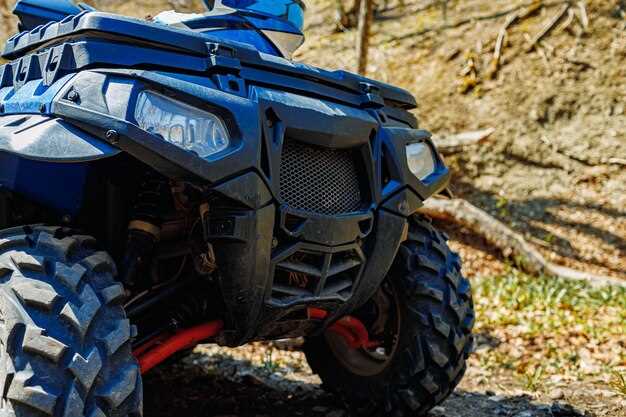
Descending a steep hill on an ATV requires precise braking techniques to ensure safety and control. The two primary braking methods are engine braking and using the foot brake, each serving a distinct purpose during descent.
Engine braking involves downshifting to lower gears, which allows the engine to slow the ATV naturally through compression. This technique reduces the risk of overheating the brakes, providing smooth deceleration as you navigate down the hill. It is essential to downshift progressively, maintaining enough power to control the ATV without losing momentum.
Utilizing the foot brake is equally important but requires careful application. Engage the brake slowly and steadily to avoid skidding. A common mistake is to apply the brake too aggressively, which can lead to loss of traction and control. Practice feathering the brake–applying gentle pressure while simultaneously using engine braking–to maintain stability.
Positioning your body correctly also plays a vital role in descent control. Leaning back slightly shifts your weight towards the rear of the ATV, which helps prevent the front from tipping over while braking. Keeping your knees firm against the machine further aids in stability, allowing for better handling as you descend.
Lastly, always assess the terrain before starting your descent. Consider the steepness, surface conditions, and potential obstacles. Adapting your braking technique to the specific hill will enhance your control and increase safety while climbing or descending. Mastering these techniques ensures that you can safely navigate steep hills without compromising your riding experience.