 Skip to the content

Navigating rocky terrain can be a thrilling yet daunting challenge, especially for those who love to explore trails on their ATV. The unpredictability of the ground beneath your wheels requires not only skill but also confidence in your abilities. Mastering the art of riding on rugged paths can enhance your off-road experience and ensure your safety.
Understanding the complexities of rocky terrain is crucial. Uneven surfaces, loose stones, and sudden drops can all impact your ride. This is where preparation comes into play; knowing how to approach these obstacles can make a significant difference. By equipping yourself with the right techniques, you can tackle trails with greater assurance, turning potential challenges into exciting adventures.
In this article, we will outline essential tips that will empower you to confidently navigate rocky terrains. From understanding your ATV’s capabilities to learning effective riding techniques, these insights will equip you with the knowledge needed to conquer even the toughest trails. Join us as we delve into the world of off-roading and discover how to turn rocky obstacles into stepping stones on your journey.
Choosing the Right ATV for Rocky Trails

Selecting the appropriate ATV for rocky trails is crucial for both safety and enjoyment. When navigating uneven surfaces, certain features can significantly enhance performance and rider confidence.
Wheelbase is one of the primary considerations. An ATV with a longer wheelbase offers better stability, which is essential when traversing bumpy terrain. This extra stability helps to prevent tipping over on steep inclines or sharp turns.
Another important aspect is the ground clearance. A higher ground clearance allows the ATV to avoid obstacles such as rocks and roots without getting stuck or damaged. Ideally, look for models that provide at least 10 inches of clearance for rocky trails.
Tire type also plays a significant role. Opt for ATVs equipped with aggressive, knobby tires designed for traction on rugged surfaces. This ensures better grip while climbing or descending rocky paths, which enhances both control and safety.
Don’t overlook the suspension system. A top-notch suspension absorbs shocks from rough terrain, improving comfort and allowing for greater control. Look for ATVs with adjustable suspension settings, which can be tailored to your weight and the specific challenges of the trails you plan to conquer.
Finally, consider the engine size and power delivery. An ATV with sufficient torque is necessary for navigating steep hills and rocky stretches without losing power. Ensure the model you choose can handle the demands of challenging trails while providing you with enough speed when needed.
Mastering Riding Techniques for Stability and Control
When navigating rocky trails, mastering specific riding techniques is crucial for maintaining stability and control. Proper body positioning is the foundation; keep your elbows slightly bent and your knees close to the bike. This stance allows for better shock absorption and helps you stay balanced over uneven surfaces.
Additionally, learn to shift your weight effectively. When approaching rocky sections, lean back to keep your center of gravity behind the bike’s rear wheel. This technique prevents you from being pitched forward, which can happen on steep descents. Conversely, when climbing, shift your weight forward to maintain traction on the front wheel.
Developing your handling skills is essential for responding to unexpected obstacles. Practice steering with your hips rather than relying solely on your hands. This method increases your control and responsiveness, especially when dealing with loose rocks or sudden changes in terrain.
Another technique to enhance your stability is to maintain momentum. Gradual speed can help you roll over obstacles instead of stalling or bouncing. Choose your lines wisely, scanning ahead to spot the best path through rocky sections, ensuring you keep your momentum and avoid jarring impacts.
Lastly, braking techniques can significantly affect your handling on rocky trails. Use both brakes smoothly and avoid locking up your wheels, which reduces traction. Instead, apply the brakes progressively, allowing for better control during tricky maneuvers.
Understanding Terrain Features and Obstacles
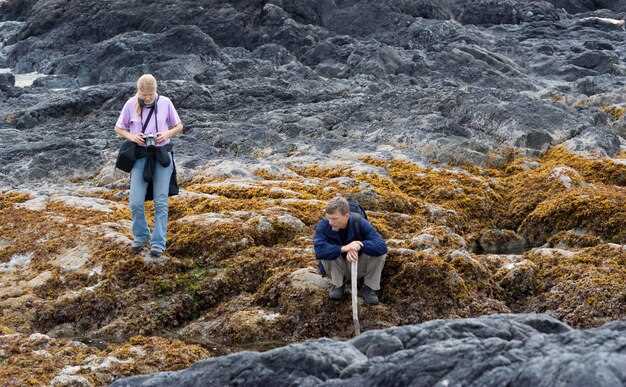
When navigating rocky terrain, understanding the various features and obstacles is crucial for effective ATV handling. Rocky surfaces can differ significantly in composition, ranging from loose gravel to large boulders. Each type of rock can affect traction, stability, and your vehicle’s maneuverability.
Identifying the size and shape of rocks is essential. Large boulders may require you to either maneuver around them or assess your approach for a potential climb. Smaller rocks can create unpredictable surfaces that lead to slips or loss of control if not negotiated carefully. Always evaluate the landscape ahead to prepare for these challenges.
In addition to rock size, consider the angle of inclines and declines. Steeper grades increase the difficulty of handling your ATV, making it essential to maintain balance and momentum. Strategies like shifting your weight appropriately and using lower gears can help overcome steep sections effectively.
Other obstacles such as ruts, washouts, and tree roots may also present challenges on rocky terrain. Ruts can trap tires and hinder movement, while washouts can create sudden drops. Tree roots may protrude from the ground, requiring careful navigation to prevent damage to your ATV. Awareness of these elements allows you to make informed decisions while traversing rocky landscapes.
Lastly, it’s important to test your ATV’s handling capabilities in a safe environment before heading into more challenging areas. Understanding your vehicle’s limits in terms of traction and stability will increase your confidence and help prevent accidents when confronting real terrain obstacles.