 Skip to the content

Embarking on an ATV camping trip opens up a world of adventure for outdoor enthusiasts. The thrill of traversing rugged terrains while enjoying the serenity of nature is an experience like no other. Proper planning and preparation are essential to ensure a safe and enjoyable camping experience. This guide will provide you with essential tips on gear selection and camping strategies tailored specifically for ATV explorers.
When gearing up for your weekend getaway, selecting the right camping gear is crucial. Lightweight yet durable equipment can make a significant difference in your overall experience. Investing in high-quality tents, sleeping bags, and cooking tools designed for outdoor use will enhance your comfort and convenience during your trip. Don’t forget to include safety gear, such as helmets and protective clothing, which will ensure a safe ride through the wilderness.
Additionally, consider the importance of planning your camping site and route. Research trails and locations that cater to ATV access, as some areas may provide designated spots for camping. Ensuring that you have a clear understanding of the terrain and nearby amenities will enable you to fully enjoy your time outdoors, allowing for a seamless blend of adventure and relaxation. With the right approach, your weekend ATV camping trip can create lasting memories filled with excitement and exploration.
Choosing the Right ATV for Your Camping Adventure
When planning your weekend camping trip, selecting the appropriate ATV is crucial to ensure a thrilling and safe outdoor experience. The right vehicle provides the reliability and performance needed to navigate various terrains while transporting essential camping gear.
First, consider the terrain you will encounter. Different ATVs are designed for specific conditions. For rugged trails and rocky paths, opt for an all-terrain model with good ground clearance and robust suspension. If your adventure leads you through muddy or slippery areas, a vehicle with excellent traction will keep you secure.
Next, think about the seating capacity needed for your camping crew. If you plan to bring friends or family, a multi-passenger ATV can enhance your outdoor experience by allowing everyone to ride together. For solo explorers, a compact model might be more suitable, providing better maneuverability.
Also, evaluate the storage options available on the ATV. Ample cargo space or the ability to attach trailers is beneficial for carrying camping essentials such as tents, sleeping bags, and cooking gear. Look for models with built-in racks or storage compartments that suit your needs.
Finally, consider the engine size and power of the ATV. Higher engine displacement allows for better performance on steep inclines and challenging landscapes. However, ensure that it aligns with your driving experience and comfort level. An ideal balance of power and control will enhance your overall camping adventure.
In summary, the right ATV is central to a successful camping trip. Analyze your terrain, group size, storage requirements, and desired power to make an informed decision that will elevate your outdoor exploration.
Must-Have Outdoor Gear for ATV Camping Trips

Planning an ATV camping trip requires the right outdoor gear to ensure a comfortable and safe adventure. Here’s a list of essential items that every adventurer should consider for their next excursion.
1. Protective Gear: Safety is paramount when riding an ATV. Always wear a DOT-approved helmet, gloves, goggles, and sturdy boots. Gear that features reflective properties can enhance visibility during low light conditions.
2. Camping Equipment: A durable tent and sleeping bag are essential for a good night’s sleep outdoors. Look for a tent that is waterproof and wind-resistant, and a sleeping bag rated for the temperatures you expect during your trip.
3. Cooking Essentials: Portable camping stoves or grills allow you to prepare warm meals in the wild. Bring along lightweight cookware, utensils, and a cooler to keep food fresh. Don’t forget to pack biodegradable soap for easy cleanup!
4. Navigation Tools: GPS devices and maps are crucial for navigating remote trails. Consider downloading offline maps on your smartphone or using a dedicated handheld GPS to avoid getting lost in unfamiliar terrain.
5. First Aid Kit: Safety should never be overlooked. A comprehensive first aid kit, complete with bandages, antiseptic wipes, and any necessary personal medications, can be a lifesaver in case of minor injuries.
6. Tool Kit: Carry a basic tool kit for quick repairs on your ATV. Include items such as wrenches, screwdrivers, and tire repair kits to handle common issues while out exploring.
7. Hydration Supply: Staying hydrated is key during outdoor activities. Bring along a high-capacity hydration pack or sufficient water bottles to keep you refreshed on the trail.
8. Lighting: Ensure you have adequate lighting for your campsite and ATV. Headlamps or lanterns are great for navigating after dark and setting up camp. Consider bringing extra batteries as well.
By equipping yourself with this must-have outdoor gear, you’ll be well-prepared to tackle the wilderness on your ATV camping trip and create unforgettable memories in nature.
Setting Up Camp: Best Practices for ATV Accessibility
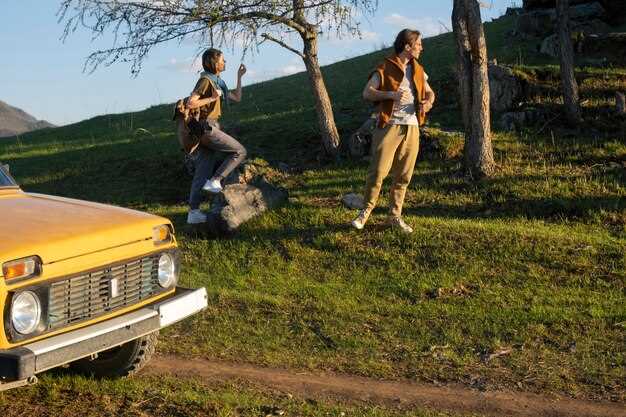
Creating a comfortable and safe camping environment is essential for any outdoor adventure, especially when using an ATV to reach your campsite. Here are some best practices to ensure your camp is accessible and enjoyable.
- Choose the Right Location:
- Look for flat, stable ground to minimize the risk of tipping.
- Avoid areas with loose gravel or muddy patches that can hinder ATV movement.
- Stay clear of any low-lying areas that may collect water or have poor drainage.
- Creating a Safe Path:
- Before setting up, scout a clear path for both your ATV and any additional gear.
- Mark the trail to your campsite to avoid obstacles or difficult terrain later, especially in low visibility.
- If needed, use branches or logs to create a defined path to reduce the impact on the environment.
- Organize Your Gear Efficiently:
- Keep crucial items easily accessible, such as your tent, sleeping bags, and cooking gear.
- Use storage bags or bins that can be securely fastened to your ATV to prevent items from falling during transit.
- Establish a designated area for gear storage to avoid clutter and maintain easy access.
- Consider Terrain Conditions:
- Be mindful of changes in the weather that can affect ground conditions and accessibility.
- Adjust your camp setup based on the landscape; for example, avoid setting up too close to cliffs or steep slopes.
- Ensure your campsite is away from natural hazards, such as falling branches or flash flood zones.
- Maintain Mobility:
- Leave adequate space around your setup to allow for easy movement of the ATV.
- Store your ATV in a location that does not obstruct traffic and can be easily accessed at any time.
- Consider placing a tarp or mat where you can unload gear safely and efficiently.
By following these best practices for ATV accessibility, you can enhance your camping experience while ensuring that your outdoor adventure remains safe and enjoyable.