 Skip to the content
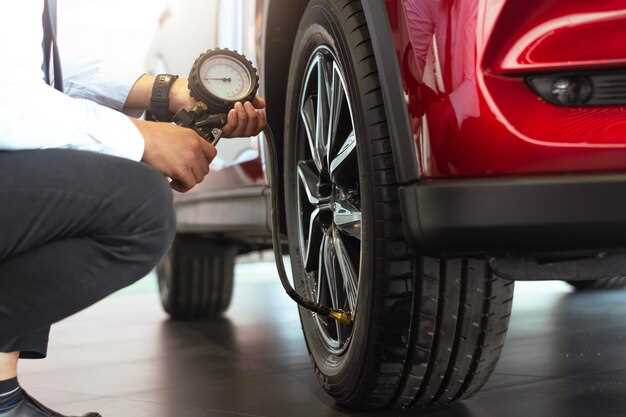
Tire pressure is a critical aspect of vehicle safety, impacting not only the performance but also the longevity of your tires. Whether you’re navigating the roads in a car or tackling rough terrains on an ATV, maintaining optimal tire pressure is essential for ensuring a smooth and safe ride.
Regularly checking your tire pressure helps prevent potential accidents caused by under-inflated or over-inflated tires. An appropriate air pressure level enhances traction and stability, reducing the risk of blowouts and improving fuel efficiency. It’s important to understand the specific tire pressure requirements for your vehicle, including the various factors that can influence it.
In this article, we will delve into effective methods for checking tire pressure and provide practical tips for maintaining it. By understanding and applying these techniques, you can enhance your safety on the road while enjoying the performance of your ATV or any other vehicle. Following best practices for tire maintenance not only safeguards you but also extends the lifespan of your tires, making it a win-win situation for every driver.
Understanding the Ideal Tire Pressure Range for Your ATV
Maintaining the correct tire pressure is crucial for the overall performance and safety of your ATV. Each ATV comes with a recommended pressure range, typically specified by the manufacturer. This ideal range usually falls between 5 to 7 psi (pounds per square inch) but can vary based on factors such as tire type and riding conditions.
Proper tire pressure directly affects traction, stability, and handling. Under-inflated tires can lead to poor performance, increased tire wear, and a risk of tire damage or blowouts. Conversely, over-inflated tires can reduce the surface area in contact with the ground, leading to a harsher ride and decreased traction, especially on uneven terrain.
To ensure optimal safety and efficiency, it’s recommended to check your ATV’s tire pressure regularly, especially before long rides or after significant changes in temperature, which can affect tire pressure. Always refer to the owner’s manual for the specific pressure guidelines for your model, as adhering to the recommended range is essential for achieving the best performance on various terrains.
In addition to checking pressure, consider the load you are carrying and the type of terrain you will encounter. Adjusting tire pressure slightly based on these factors can enhance grip and comfort. For instance, lowering the pressure a bit for soft or muddy terrain can help increase the tire’s footprint, while maintaining it for hard-packed surfaces is advisable to prevent tire damage.
Step-by-Step Guide to Checking ATV Tire Pressure Accurately
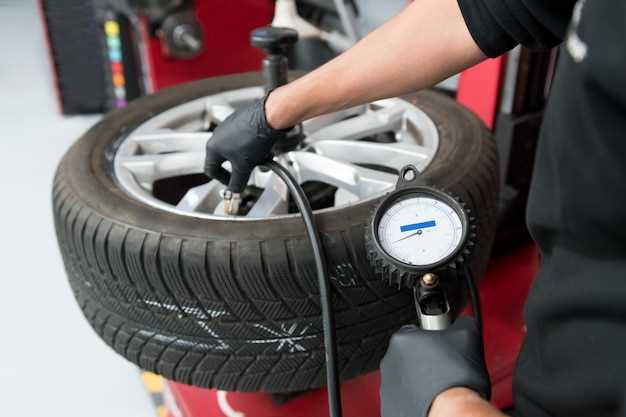
Ensuring proper tire pressure is essential for the safety and performance of your ATV. Follow these simple steps to check the tire pressure accurately:
1. Gather Your Tools: You will need a reliable tire pressure gauge. Ensure it is calibrated correctly for accurate readings. A portable compressor may also be needed to adjust the pressure if necessary.
2. Consult Manufacturer Specifications: Before checking the pressure, refer to the owner’s manual or the tire sidewall for the recommended pressure levels for your ATV. This information is crucial for optimal performance.
3. Check the Tires When Cold: Tire pressure can increase with heat from driving. For the most accurate reading, check the tire pressure when the ATV has not been used for several hours or has been parked for the night.
4. Remove Valve Caps: Carefully remove the valve caps from each tire and place them in a safe location to avoid losing them.
5. Press the Gauge onto the Valve Stem: Firmly press the tire pressure gauge onto the valve stem. Ensure a tight seal to avoid any air escape, which could lead to an inaccurate reading. You should hear a brief hissing sound as the gauge connects.
6. Read the Pressure: Observe the gauge reading. Compare it with the manufacturer’s recommended pressure. If the reading is below the recommended level, your tires are under-inflated; if it’s above, they are over-inflated.
7. Adjust the Pressure if Necessary: If adjustments are needed, use an air compressor to inflate or release air using the valve stem. Add air gradually and recheck the pressure until you reach the correct level.
8. Reattach Valve Caps: Once you have confirmed the correct tire pressure for all tires, secure the valve caps back onto each valve stem. This prevents dirt and moisture from entering the valve and causing leaks.
9. Regular Checks: Make it a habit to check tire pressure regularly, especially before embarking on any long rides. Maintaining proper pressure enhances safety, improves fuel efficiency, and extends tire life.
By following these steps, you can ensure that your ATV tires are properly maintained, providing safety and optimal performance on your adventures.
Common Tire Pressure Mistakes and How to Avoid Them
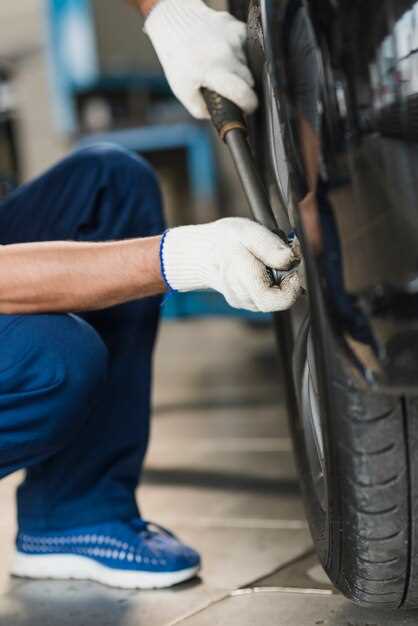
Maintaining proper tire pressure is crucial for the safety and performance of your vehicle, whether it’s a car, motorcycle, or ATV. However, many drivers make common mistakes that can lead to unsafe driving conditions and unnecessary wear on tires. Here are some prevalent tire pressure mistakes and tips on how to avoid them.
1. Ignoring Manufacturer Recommendations
One of the most significant mistakes is disregarding the tire pressure recommended by the vehicle manufacturer. This information can typically be found in the owner’s manual or on a sticker inside the driver’s door. Always use the correct PSI (pounds per square inch) for optimal safety and performance.
2. Checking Pressure When Tires Are Hot
Many people check tire pressure after driving, unaware that heat can increase tire pressure readings. Always check your tires when they are cold, as this provides the most accurate measurement. Wait at least three hours after driving before checking the pressure, or do it first thing in the morning.
3. Neglecting to Check the Spare Tire
Another common oversight is failing to check the condition of the spare tire. A flat spare can lead to panic during a roadside emergency. Make it a habit to check the spare tire’s pressure regularly, ensuring it is ready when needed.
4. Over-inflating Tires
While under-inflation is a concern, over-inflating tires can be equally dangerous. Over-inflated tires provide less traction and can cause blowouts, especially on rugged terrains such as those encountered when riding an ATV. Always adhere to recommended pressure levels to ensure safety and maintain grip on the road or trail.
5. Failing to Account for Load Changes
When loading your vehicle with additional weight, such as equipment for an ATV adventure, be mindful of how this affects tire pressure. Increased load often necessitates higher tire pressure for safe handling. Check your owner’s manual for recommendations on adjustments based on load conditions.
6. Not Using a Reliable Pressure Gauge
Using a faulty or inaccurate pressure gauge can lead to incorrect readings. Invest in a good quality tire pressure gauge to ensure you always have reliable measurements. Digital gauges can provide quick and precise readings, making them a favorite among enthusiasts.
By avoiding these common mistakes, you can maintain proper tire pressure, enhance safety, and prolong the life of your tires. Regular monitoring and adjustments based on specific driving conditions will ensure your vehicle, whether an ATV or a car, performs at its best.